
Emma Brown
Featured
Local Plumber San Joaquin County: Average Service Rates & Repair Costs
Plumbers
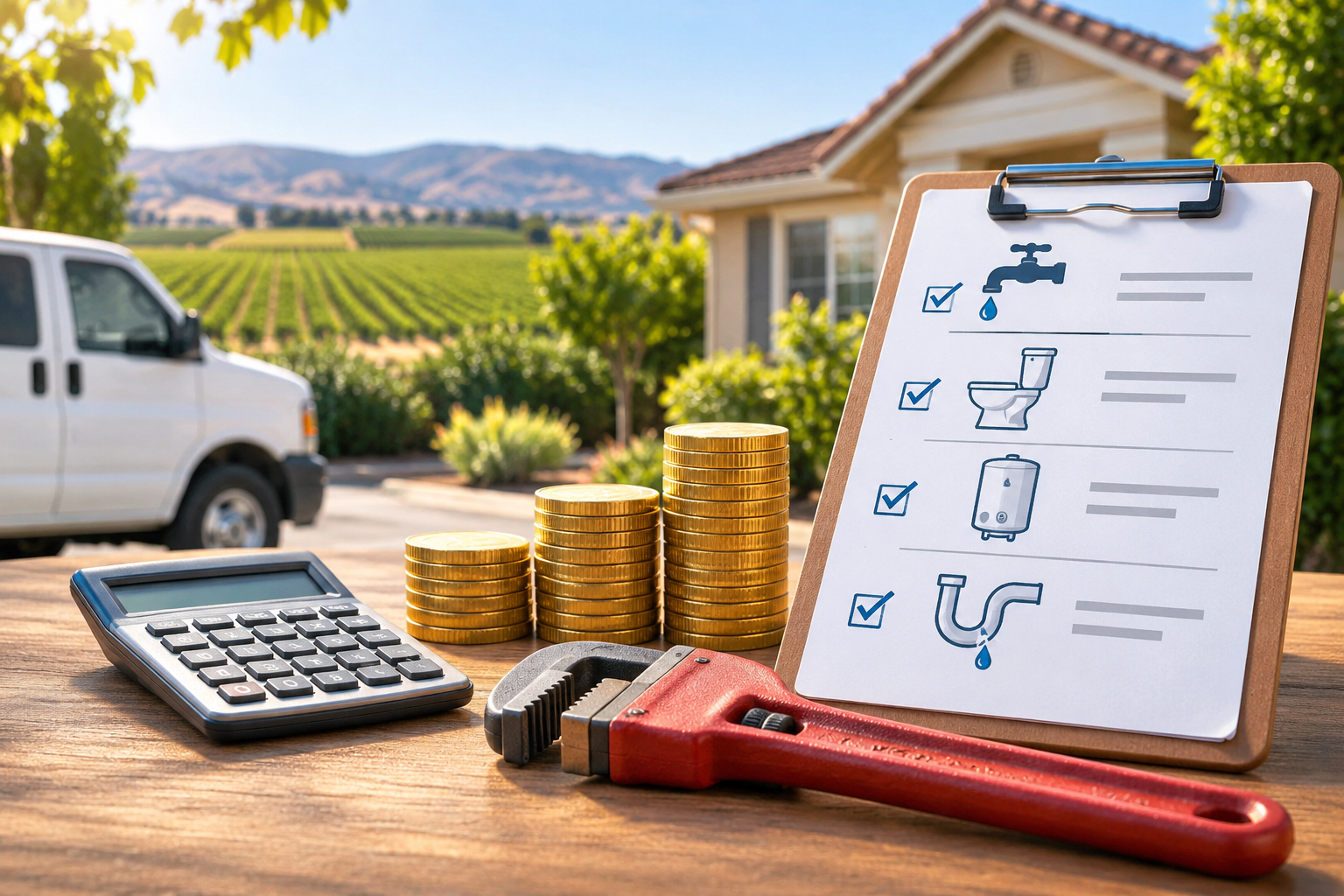
Knowing the typical cost of plumbing services is important for homeowners looking to maintain their plumbing systems and handle repairs within budget. In San Joaquin County, plumbing service charges can differ based on the nature of the problem, the time required, labor costs, and materials needed. Having a clear idea of these expenses can help you prepare financially before scheduling a plumbing service.
Whether it’s a minor faucet leak, a blocked drain, a water heater issue, or a major pipe repair, each plumbing service has its own pricing structure. Additionally, factors such as emergency callouts, repair complexity, and the plumber’s experience can influence the final bill.
This blog covers average plumber service rates in San Joaquin County, estimated costs for common plumbing repairs, and the key elements that determine service pricing. By understanding these costs, you’ll be better prepared to compare estimates, plan repairs, and make informed decisions when hiring a local plumbing professional.
How Much Does a Local Plumber Cost in San Joaquin County?
Most homeowners in Stockton, Tracy, Manteca, Lodi, and surrounding communities pay between $90 and $200 per hour for a local plumber, plus any service call fee. The final price depends on the job, the time on site, and the parts required.
Average Hourly Rates
A typical plumbing company in San Joaquin County charges roughly $90–$150 per hour for standard repairs. Master plumbers and specialized technicians may charge $150–$200 or more per hour. Rates tend to run a bit lower than in the Bay Area but have climbed steadily with labor and material costs. Larger, well-established companies may charge more than small independent operators, but they often bring bigger crews, newer equipment, and faster scheduling.
Service Call and Diagnostic Fees
Many companies charge a service call fee of $75–$150 to send a technician to your home and diagnose the problem. Some waive this fee if you approve the repair, while others apply it as a credit toward the final bill. Ask about this policy when you call so there are no surprises when the technician arrives.
Minimum Charges
Even a 15-minute fix, like tightening a loose supply line, may come with a minimum charge of one hour of labor. This is common among professional plumbing services and covers travel time, fuel, vehicle costs, and overhead. If you have a few small tasks, it makes sense to group them into one visit so the minimum charge covers more work.
Make Your Plumbing Business Easier to Find in San Joaquin County!
When homeowners need plumbing repairs, they look online for trusted local professionals. Give your business the visibility it deserves with Yellow Pages California. Create your listing, showcase your plumbing services, and help more local customers discover your business. Click here to register.
Average Costs of Common Plumbing Repairs
Repair costs vary widely, but knowing the typical ranges helps you spot a fair quote. The figures below reflect what many plumbing repair services charge for standard residential work in the Central Valley.
Leaky Faucet and Fixture Repairs
Repairing a dripping faucet usually costs $150–$350, depending on the fixture type and whether parts need replacing. Replacing a faucet entirely can range from $200 to $500, including labor. Designer or touchless fixtures cost more, and older or discontinued models may need special-order parts that add to the bill.
Drain Cleaning and Clogged Drains
Clearing a basic sink or tub clog typically costs $120–$300. Main sewer line clogs can run $250–$600, and hydro-jetting for stubborn buildup may cost $350–$800. Tree root intrusion, common in older Stockton and Lodi neighborhoods with mature trees, can push costs higher. If drains clog repeatedly, a camera inspection of the line can pinpoint the cause and prevent repeat service calls.
Toilet Repairs and Replacement
Fixing a running or leaking toilet generally costs $120–$350, since the cause is often a worn flapper, fill valve, or wax ring. A full toilet replacement, including the unit and installation, averages $300–$700. Water-saving models may qualify for local utility rebates, which can offset part of the cost.
Water Heater Repair and Replacement
Water heater repairs range from $150 to $600, depending on whether the issue is a thermostat, heating element, or pressure valve. A new tank water heater installed costs about $1,200–$3,000, while tankless models can run $2,500–$5,500. Hard water in the Central Valley can shorten heater lifespan, so regular flushing is worthwhile. If your unit is over 10 to 12 years old and needs a major repair, replacement is often the smarter investment.
Pipe Repair and Repiping
Repairing a small section of damaged pipe often costs $200–$800. Whole-home repiping is a major project, typically $4,000–$15,000 based on home size and pipe material. Burst or corroded pipes require prompt attention to limit water damage. Signs you may need repiping include discolored water, low pressure, and frequent leaks in different parts of the house.
Sewer Line Repair
Sewer line repair ranges from $1,500 to $7,000 or more. Trenchless methods cost more upfront but avoid tearing up your yard or driveway. Because the price swings so much, a video camera inspection (usually $150–$400) is a smart first step to confirm the problem’s exact location and severity.
Garbage Disposal and Other Fixes
Installing or replacing a garbage disposal averages $200–$500. Leak detection services typically cost $150–$550, depending on the equipment and access needed. Other common jobs, like replacing shutoff valves or installing a pressure regulator, usually fall in the $150–$450 range.
Emergency Plumbing Service Rates in San Joaquin County
When a pipe bursts at 2 a.m. or a sewer backs up on a holiday, you need help fast, and you’ll usually pay a premium for it. An emergency plumber in San Joaquin County commonly charges 1.5 to 2 times the standard rate for after-hours, weekend, and holiday calls.
What Counts as a Plumbing Emergency?
True emergencies include burst pipes, major leaks, sewage backups, gas line concerns, and no water at all. A slow drain or a dripping faucet can usually wait until normal business hours, which saves you money. If you smell gas, leave the house and call your utility company or 911 before anyone else.
Typical Emergency Surcharges
Expect an after-hours service fee of $100–$300 on top of the regular labor rate. Hourly emergency rates often land between $150 and $350, depending on the time of day and company policy. Holidays like Christmas and New Year’s typically carry the highest rates, so ask for the full price before you approve the visit.
Is 24/7 Service Worth the Cost?
Yes, when active water damage is involved. A burst pipe can release hundreds of gallons per hour, and repairing water-damaged drywall, flooring, and belongings costs far more than the emergency fee. Shut off your main water valve first, then call for help. If the situation is stable, waiting until morning may be the more economical choice.
Factors That Affect Local Plumbing Service Costs
No two plumbing jobs are identical, which is why quotes can differ so much between homes. Understanding what drives pricing helps you see why one estimate may be higher or lower than another.
Type and Complexity of the Problem
A simple washer replacement takes minutes, while a hidden slab leak requires specialized detection and possibly breaking into concrete. The more difficult the access and diagnosis, the higher the labor cost. Tight crawl spaces, finished walls, and second-story work all add time and effort.
Labor and Time Required
Labor is typically the largest part of any plumbing bill. Jobs that need two technicians, extra trips for parts, or multiple visits will cost more. A well-prepared plumber who arrives with a stocked truck can often finish faster and save you money.
Materials and Parts
Copper, PEX, PVC, and cast iron all differ in price, as do fixtures and water heater brands. Higher-quality parts cost more upfront but often last longer and carry better warranties. Ask your plumber to explain the options so you can balance budget against durability.
Home Age and Plumbing Condition
Older homes in San Joaquin County may have galvanized steel, cast iron, or outdated fittings that complicate repairs. Updating these systems may also be needed to meet current code. Homes built before the 1980s often have aging pipes that corrode from the inside, which can turn a simple repair into a larger project.
Permits and Code Requirements
Water heater replacements, sewer repairs, and repiping often require permits from your city or county. Permit fees and inspections add to the total, though a reputable contractor handles the paperwork. Skipping permits can create problems when you sell your home or file an insurance claim.
Residential vs. Commercial Work
Residential plumbing services usually cost less than commercial plumbing services. Commercial jobs often involve larger systems, backflow devices, grease traps, and strict compliance requirements, so the scope and price are higher. Restaurants, warehouses, and offices also tend to need after-hours work to avoid disrupting business, which can raise labor costs.
Hourly Rates vs. Flat-Rate Plumbing Pricing: What’s the Difference?
Plumbers generally bill in one of two ways: by the hour or with a fixed price per job. Each model has advantages, and knowing how your plumber charges helps you avoid surprises.
How Hourly Pricing Works
With hourly billing, you pay for the time the plumber spends on your job, plus parts. This can be cost-effective for quick fixes, but the total can climb if the repair runs long or uncovers additional issues. Ask whether time is billed in full-hour increments or by the quarter hour, since that detail affects short jobs.
How Flat-Rate Pricing Works
Flat-rate pricing gives you one upfront price for a defined task, such as unclogging a drain or replacing a toilet. The price is based on average completion time, so you know the cost before work begins. You pay the same amount whether the plumber finishes early or runs into minor delays, which protects you from rising bills.
Which Option Is Better for You?
Flat-rate pricing offers predictability and is great for common repairs. Hourly billing may save money on small, straightforward jobs. For complex projects, ask for a detailed written estimate that spells out labor, materials, and any possible add-ons. Either way, make sure you understand what’s included before you say yes.
How to Choose a Reliable Local Plumber in San Joaquin County
The cheapest quote isn’t always the best value, and the wrong hire can cost you more in repeat repairs. Taking a little time to vet your options helps you find the best local plumber for your needs and budget.
Check Licensing and Insurance
In California, plumbing work over $500 (labor and materials) must be done by a licensed plumber holding a C-36 plumbing contractor license from the Contractors State License Board. You can verify any license on the CSLB website in minutes. Also confirm the company carries liability insurance and workers’ compensation, which protects you if an accident or damage occurs on your property.
Read Reviews and Ask for References
Look at Google, Yelp, and Facebook reviews, paying attention to comments about punctuality, communication, and pricing honesty. Ask neighbors or friends for recommendations, since word of mouth is valuable in smaller communities. A pattern of similar complaints is a bigger warning sign than one bad review.
Compare Written Estimates
Get at least two or three quotes for larger jobs. Compare what’s included rather than just the bottom line, and be cautious of estimates that are far lower than others, as they may hide extra fees. A good estimate lists labor, parts, permits, and cleanup so you can compare quotes fairly.
Ask About Warranties and Guarantees
Reputable plumbing contractors stand behind their work with labor warranties, often 30 days to a year, along with manufacturer warranties on parts. A clear guarantee is a sign of a trustworthy business. Get the warranty terms in writing and keep your invoice in case you need to call them back.
Look for Transparent Pricing
An affordable plumber explains costs upfront, doesn’t pressure you into unnecessary work, and provides itemized invoices. If a company won’t answer pricing questions, look elsewhere. Honest businesses are happy to explain why a repair costs what it does.
Tips to Save Money on Plumbing Repairs
You can’t avoid every plumbing problem, but smart habits and planning can reduce what you spend. These strategies help keep costs down without cutting corners on quality.
Schedule Preventive Maintenance
Annual plumbing inspections catch small leaks, corrosion, and worn parts before they become expensive failures. Flushing your water heater yearly also extends its life, especially with Central Valley’s mineral-rich water. Checking under sinks and around appliances every few months takes only minutes and can reveal trouble early.
Fix Small Leaks Early
A slow drip can waste thousands of gallons annually and may signal a bigger problem behind the wall. Repairing it early is almost always cheaper than dealing with water damage later. Watch for rising water bills, musty smells, or damp spots, which often point to hidden leaks.
Avoid After-Hours Calls When Possible
If the issue isn’t urgent, schedule service during regular business hours to skip emergency surcharges. Knowing where your main shutoff valve is lets you stop the water and wait until morning. Make sure everyone in your household knows how to find and turn it off.
Bundle Multiple Repairs
If you have several minor issues, such as a dripping faucet, a slow drain, and a running toilet, have them fixed in one visit. You’ll pay one service call fee instead of several. Keep a running list of small problems so you can handle them together.
Be Careful With Chemical Drain Cleaners and DIY Fixes
Harsh drain chemicals can damage pipes, and failed DIY attempts often turn a small repair into a bigger bill. Simple tasks like using a plunger are fine, but leave complex jobs to professionals. Drain screens and avoiding grease in the kitchen sink are easy ways to prevent clogs.
Ask About Discounts and Maintenance Plans
Many companies offer seasonal promotions, senior or military discounts, and membership plans with priority scheduling and reduced rates. These can add up over time. Compare the annual plan cost with what you’d likely spend on inspections to see whether it’s worth it.
Conclusion
Plumbing costs in San Joaquin County depend on the type of repair, the urgency, materials, labor, and the plumber you choose. Routine fixes like faucet repairs and drain clearing are relatively budget-friendly, while water heater replacements, sewer repairs, and repiping require a larger investment. Emergency calls cost more, which is why preventive care and early repairs matter.
By understanding typical rates, comparing written estimates, and hiring a properly licensed professional, you can protect both your home and your wallet. When a problem comes up, reach out to a trusted local plumbing company, ask clear questions about pricing, and choose the option that offers the best balance of quality, transparency, and value.
FAQs About Plumbing Costs in San Joaquin County
How much does it cost to replace a water heater?
A standard tank water heater costs roughly $1,200–$3,000 installed, while tankless units range from $2,500 to $5,500. The final price depends on capacity, fuel type, and installation requirements.
Why are plumbers so expensive?
Plumbing rates reflect licensing, training, insurance, specialized tools, vehicle and fuel costs, and the risk involved in the work. Prices also include warranty coverage and the expertise needed to prevent costly water damage.
Do plumbers charge for estimates?
Many plumbers offer free estimates for larger projects like repiping or fixture installation, while some charge a diagnostic fee for troubleshooting. Always confirm before the visit.
Is it cheaper to repair or replace old pipes?
Small, isolated leaks are usually cheaper to repair. If your home has widespread corrosion or repeated leaks, replacing the pipes often saves money in the long run.
Can I negotiate plumbing prices?
Usually you can’t negotiate hourly rates, but you can compare multiple quotes, bundle repairs, schedule during regular hours, and ask about discounts to lower your overall cost.
Does homeowners insurance cover plumbing repairs?
Standard policies usually cover sudden, accidental damage, such as a burst pipe that floods your home. They typically don’t cover repairs from wear and tear, corrosion, or slow leaks that went unnoticed. Review your policy or ask your insurance agent for details.
Do plumbers charge more on weekends and holidays?
Yes, most plumbers apply higher rates for nights, weekends, and holidays, often 1.5 to 2 times the standard rate. If the problem isn’t urgent, scheduling during regular business hours can save you a significant amount.
Suggestions
Olivia Claymore
Olivia Claymore
Olivia Claymore
Olivia Claymore