
Emma Brown
Featured
Why Custom Business Cards Still Matter for Networking in 2026
Printing & Copy Services
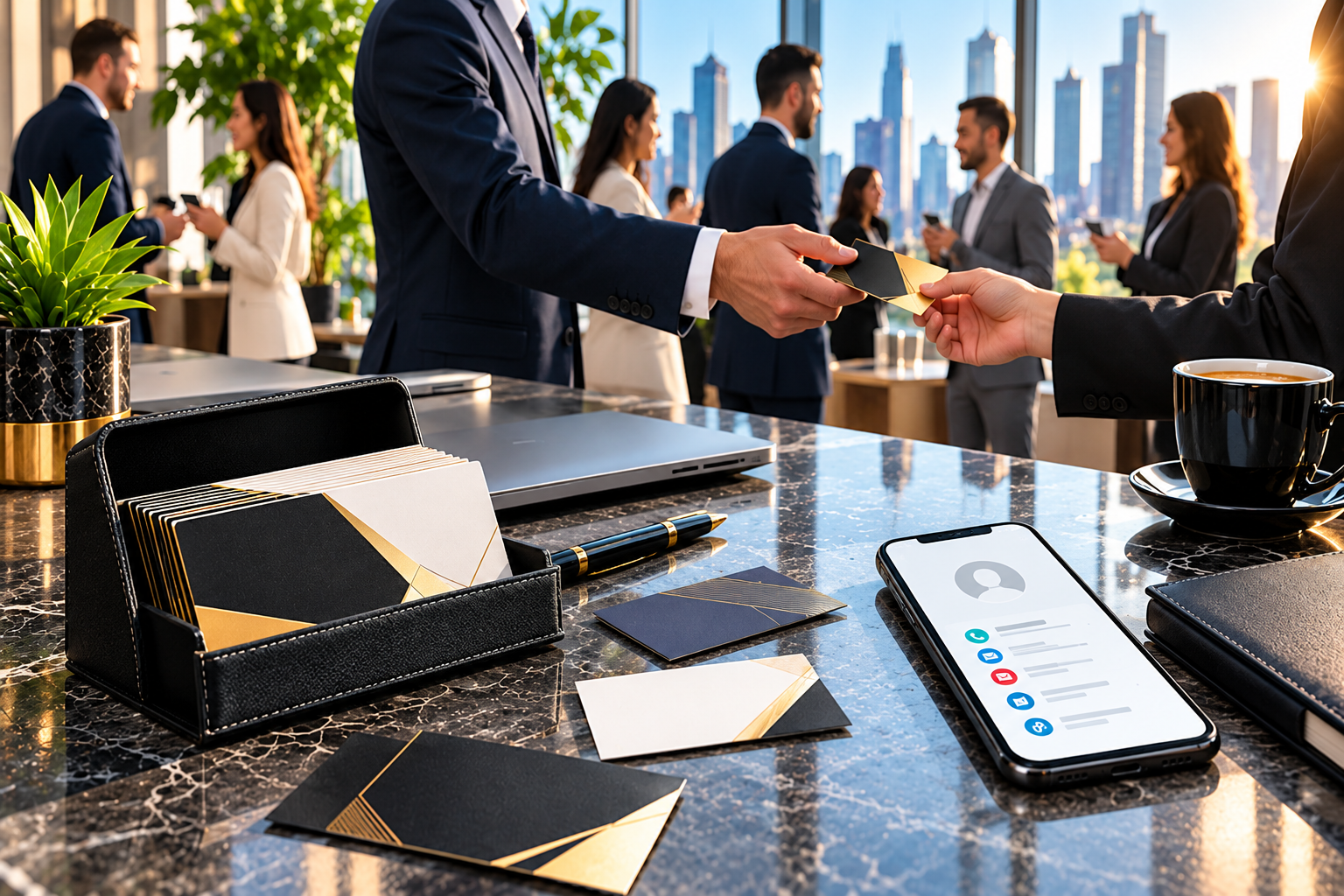
In California, USA, professional networking remains an important part of building business relationships, attracting clients, and creating new opportunities. Despite the growing use of digital platforms like LinkedIn and email, custom business cards continue to offer a practical way to exchange contact information at conferences, trade shows, business meetings, and local networking events. They provide essential details, including your name, company, phone number, email address, and website, making it easy for potential clients and partners to connect with you.
Custom business cards also help California businesses establish a recognizable brand identity. From startups in Silicon Valley to small businesses in Los Angeles and San Diego, professionally designed cards communicate credibility and attention to detail. Features such as quality cardstock, distinctive designs, and QR codes can make cards more useful and memorable.
Whether you're an entrepreneur, freelancer, or established business owner, custom business card services remain a valuable networking tool in California in 2026, helping you share information, promote your brand, and build lasting professional connections.
The Importance of Business Cards in Modern Networking
Even in a world of instant messaging and social media, a business card remains one of the fastest ways to leave a lasting impression. It puts your details directly into someone’s hands, right when the conversation is fresh. Here is why that simple exchange still carries so much weight.
A Tangible Connection in a Digital World
Most people receive hundreds of digital notifications daily, and a new LinkedIn connection request can easily get buried. A physical card is different. It sits in a wallet, on a desk, or in a notebook, quietly reminding the recipient of your conversation. That physical presence gives your name a staying power that a fleeting online message rarely achieves.
Fast, Frictionless Information Sharing
Exchanging cards takes seconds. There’s no need to search for someone’s profile, spell out an email address, or wait for a stranger’s phone to load. Personalized business cards services make this exchange smooth and professional, especially in loud or crowded venues like trade shows and conferences where typing details into a phone is awkward.
A Natural Conversation Starter
A well-designed card often sparks conversation. A unique finish, a clever tagline, or an unusual shape gives people something to comment on. That small moment of interest can turn a brief introduction into a memorable discussion and, eventually, a real business relationship.
Are You a California Printing Business Looking for More Customers?
Want to attract more customers to your printing business? Get your commercial printing services in front of people actively searching online. List your business on Yellow Pages California to increase your visibility, connect with potential clients, and generate more business inquiries. Click here to register.
How Custom Business Cards Strengthen Brand Identity
Your business card is often the first physical piece of your brand someone touches. It should reflect who you are and what you stand for, because every detail, from color to paper weight, tells a story about your business.
Consistent Visual Branding
Your card should match your website, social media, packaging, and signage. Using the same logo, color palette, and typography across every touchpoint builds recognition. Professional business card printing ensures your brand colors appear accurately on paper, so your card looks like a true extension of your brand rather than an afterthought.
Quality That Signals Credibility
People judge quickly, and a flimsy, poorly printed card can suggest a lack of care. A sturdy, crisp card tells the recipient that you take your work seriously. Investing in business card design and printing sends a quiet message that you’ll bring the same attention to detail to your products or services.
Telling Your Brand Story Through Design
Great cards do more than list contact information. A law firm may choose a refined, minimalist layout, while a creative agency might use bold color and playful typography. Custom business card services let you tailor every element so your card reflects your personality, values, and industry, helping you stand out from generic templates.
Why Business Cards Still Matter in California in 2026
California’s business landscape is fast-moving, diverse, and highly competitive. In a state with millions of small businesses and thriving industries from tech to entertainment to agriculture, face-to-face connections remain a cornerstone of growth. Business cards fit naturally into that culture.
An Event-Driven Business Culture
California hosts countless conferences, startup meetups, trade shows, and industry expos every year, from San Francisco tech summits to Los Angeles entertainment gatherings and San Diego biotech events. At these events, you may meet dozens of people in a single afternoon. A card allows you to share your details instantly and ensures people can find you after the event ends.
Diverse Industries, One Shared Need
Real estate agents in Sacramento, wine consultants in Napa, designers in Los Angeles, and software founders in San Jose all rely on personal relationships. Despite their different fields, they share one need: a simple, dependable way to be remembered. Custom business card printing meets that need across every sector and business size.
Strong Local Business Communities
Chambers of commerce, local networking groups, farmers’ markets, and community events remain central to growth for many California businesses. In these settings, handing over a card is a familiar and welcome gesture. It shows you’re approachable, prepared, and invested in building relationships within your community.
Custom Business Cards vs. Digital Business Cards
Digital business cards, such as app-based profiles and NFC-enabled links, have grown in popularity. But the question isn’t really which one wins. It’s understanding what each does best and how they can work together.
Where Digital Business Cards Shine
Digital cards are easy to update, eco-friendly, and can hold rich content like portfolios, videos, and social links. They’re useful for remote introductions and virtual meetings. However, they depend on the other person having the right app, a working phone, and the willingness to engage with a link.
Where Printed Cards Win
Printed cards need no technology, no battery, and no internet connection. They work for everyone, from a tech executive to a local shop owner who prefers a simple handshake and a handout. They’re also more memorable in a physical sense: people can feel the texture, see the design, and keep the card as a visual reminder.
The Best of Both Worlds
The smartest approach in 2026 combines both. Add a QR code to your printed card that links to your website, online portfolio, or digital contact file. This way, the card delivers the personal, tactile impression of print while giving recipients instant access to deeper information online.
Essential Features of an Effective Business Card
A good business card is simple, readable, and purposeful. Whether you’re designing your first card or refreshing an existing one, a few core features make the difference between a card that gets kept and one that gets tossed.
Clear and Complete Contact Information
Include your name, job title, company name, phone number, email address, and website. If relevant, add your business address or a key social media handle. Avoid cramming in too much. Every detail should earn its place, and the information should be easy to find at a glance.
Quality Cardstock and Finishes
The feel of a card matters as much as its look. Premium business card printing offers options like thick cardstock, matte or gloss coatings, soft-touch laminate, and spot UV highlights. These choices add weight and texture that elevate the card and communicate professionalism the moment it’s handed over.
Readable Typography and Clean Layout
Choose fonts that are easy to read, even at small sizes. Keep generous spacing, use strong contrast between text and background, and limit yourself to two typefaces at most. A clean layout ensures your most important details, usually your name and phone number or email, stand out immediately.
A Purposeful QR Code
A QR code should do something useful. Link it to your booking page, portfolio, or a contact-saving page rather than a generic homepage. Make sure it’s large enough to scan easily and always test it before sending your design to print.
How to Make Your Business Cards Stand Out in 2026
With so many people exchanging cards, creativity matters. Standing out doesn’t require a huge budget. It requires thoughtful choices about design, material, and function that reflect your brand.
Choose Premium Finishes and Textures
Embossing, foil stamping, spot UV, and textured paper can transform a simple card into something people want to hold onto. These details are particularly effective for luxury brands, creative professionals, and any business that wants to signal quality.
Experiment with Shape, Size, and Material
Rounded corners, die-cut shapes, and unconventional materials like recycled kraft paper, plastic, or even thin wood can make your card unforgettable. Just make sure the card still fits comfortably in a wallet or cardholder, since a card that can’t be stored is a card that gets thrown away.
Embrace Minimalism and White Space
Sometimes less is more. A clean design with plenty of white space, a bold logo, and only essential information can look more confident and modern than a crowded one. Minimalist cards also tend to be easier to read and more timeless.
Go Sustainable
Many California consumers and businesses value environmental responsibility. Choosing recycled or FSC-certified paper, soy-based inks, and eco-friendly coatings shows that your business shares those values. It’s also a story worth mentioning during conversations.
Balance Style with Budget
You don’t have to overspend to look professional. Affordable business card printing is widely available, and many printers offer quality options at reasonable prices, especially for bulk orders. Focus your budget on the elements that matter most, such as paper quality and a clean, well-executed design.
Who Can Benefit from Custom Business Cards?
The short answer: nearly anyone who meets people in a professional setting. Business cards aren’t limited to corporate executives. They’re a practical tool for anyone who wants to be found, remembered, and trusted.
Entrepreneurs and Startup Founders
Founders meet investors, partners, and potential customers constantly. A polished card helps convey credibility, even for a brand-new company. It also gives you something tangible to hand over when your website is still growing or your team is small.
Freelancers and Creative Professionals
Photographers, designers, writers, and consultants rely on referrals and word of mouth. A creative, well-designed card works as a mini portfolio, showing your style before the recipient even visits your website.
Real Estate, Legal, and Financial Professionals
These industries are built on trust. A premium, professionally printed card reinforces reliability and helps clients remember who to call when they’re ready to buy a home, handle a legal matter, or plan their finances.
Local Shops, Restaurants, and Service Providers
Salons, contractors, cafés, and repair services benefit from cards that clients can keep on hand. A card tucked into a bag or posted on a bulletin board can continue generating leads long after the first visit.
Established Business Owners and Corporate Teams
Larger organizations use cards to maintain brand consistency across employees and departments. Uniform, high-quality cards ensure every team member represents the company the same way at every event.
Tips for Using Business Cards Effectively
Having a great card is only half the equation. How you use it determines whether it leads to a real connection or ends up forgotten at the bottom of a bag.
Always Carry Them
You never know when an opportunity will appear, whether at a coffee shop, a conference, or a neighbor’s backyard barbecue. Keep a few cards in your wallet, car, and work bag so you’re never caught without one.
Exchange Cards Thoughtfully
Don’t just hand out cards to everyone you see. Start a conversation first, learn about the other person, and offer your card when it feels natural. Quality interactions beat quantity every time.
Add a Personal Note
A quick handwritten line on the back, such as “Let’s connect about your project,” makes the card feel personal. It also helps the recipient remember the context of your meeting.
Follow Up Within 48 Hours
A card is a starting point, not the finish line. Send a brief email or LinkedIn message within two days, referencing something from your conversation. This follow-up turns a quick exchange into a lasting professional relationship.
Keep Your Information Current
Outdated phone numbers or old job titles undermine your credibility. Review your card regularly and reorder when anything changes. Working with reliable business card printing services makes it easy to update your design and keep your details accurate.
Conclusion: The Lasting Value of Custom Business Cards
In a world that grows more digital by the day, the simple act of handing someone a well-made card still carries real power. It’s personal, memorable, and professional. It reflects your brand, supports your conversations, and gives people an easy way to reach you long after the event is over.
For businesses across California, from tech startups in the Bay Area to boutique shops in Los Angeles and San Diego, custom business cards continue to bridge the gap between a brief introduction and a meaningful business relationship. Pair them with digital tools like QR codes, and you get the best of both worlds.
If you want to strengthen your networking in 2026, start with the basics: a thoughtfully designed, high-quality business card that represents you well. It’s a small investment that can lead to big opportunities.
FAQs About Custom Business Cards
Are business cards still necessary in 2026?
Yes. While digital tools are useful, business cards remain a fast, reliable, and personal way to share contact details. They require no apps or internet connection, and they leave a physical reminder of your meeting that digital messages often can’t match.
What should be included on a business card?
At a minimum, include your name, job title, company name, phone number, email address, and website. You can also add a logo, social media handle, business address, or a QR code. Keep the design clean so the most important details are easy to read.
What is the standard business card size in the USA?
The standard size in the United States is 3.5 inches by 2 inches. This size fits easily into wallets and cardholders, which is why most professionals stick with it, though square, slim, and rounded-corner options are also available.
How much do business cards cost?
Costs vary widely depending on quantity, paper type, finish, and design complexity. Basic cards can be quite inexpensive, while specialty options such as foil, embossing, or thick luxury stock cost more. Ordering in larger quantities usually lowers the price per card.
Are digital business cards better than paper ones?
Neither is universally better. Digital cards are easy to update and can share more content, while paper cards are tangible, simple, and work for everyone. Many professionals use both, adding a QR code to a paper card that links to their digital profile.
Suggestions
Daniel Johnson
William Anderson
Olivia Claymore
Daniel Johnson