
Emma Brown
Is Your Home Ready for California's Next Big Storm? 7 Things to Check
Roofers
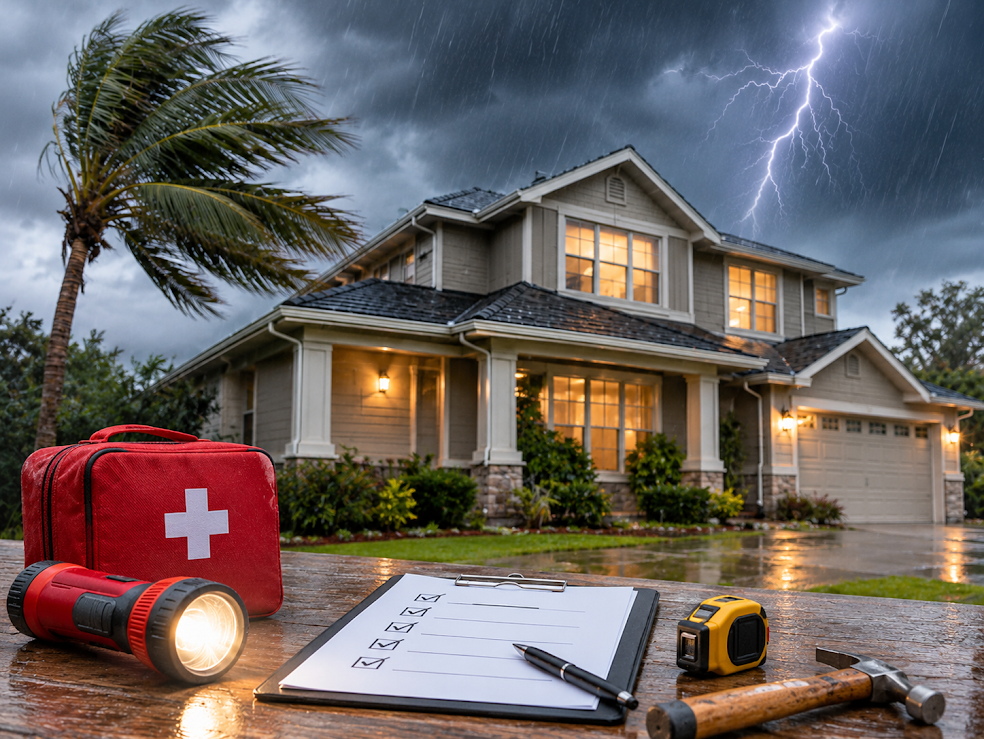
California’s weather can change in the blink of an eye. Clear skies can quickly give way to heavy rainfall, powerful winds, and unexpected storms that put your home’s exterior to the test. While preparing your home for severe weather, one area deserves your special attention: your roofing system.
Your roof plays a crucial role in protecting your home from the elements. However, worn-out shingles, damaged flashing, blocked gutters, or hidden leaks can leave your property vulnerable when the next storm rolls in. What may seem like a minor roofing issue today could turn into serious water damage, mold growth, or costly repairs if left unattended.
The good news? A little preparation can go a long way in preventing storm-related roofing damage. Before California’s next big storm arrives, it’s worth taking a closer look at your roof and making sure everything is in good condition. In this blog, we’ll cover 7 important things every homeowner should check to keep their roof storm-ready, protect their property, and avoid unexpected repair expenses. And if something doesn’t look right, scheduling a professional roof inspection can help you address potential problems before they get worse.
Why Preparing Your Roof for California’s Storm Season Matters
California storms are no longer limited to a short rainy season. Atmospheric rivers, strong Santa Ana and Pacific winds, and sudden downpours can hit with little warning. Taking time for roof storm preparation helps you find weak spots early, while repairs are still simple and affordable.
California’s Weather Is More Unpredictable Than Ever
Long dry spells followed by intense rainfall are especially hard on roofing materials. Months of sun exposure leave shingles brittle, sealants cracked, and tiles loose. When heavy rain finally arrives, those weakened materials can fail quickly. Wind gusts add to the stress by lifting edges and tearing off materials that are already compromised.
Small Roof Problems Become Big Expenses Fast
A single missing shingle or a small gap around a vent may look harmless. But during a storm, water can work its way into insulation, ceilings, and wall cavities within hours. Roof damage prevention is almost always cheaper than dealing with the consequences, which can include rotted decking, ruined drywall, and mold remediation.
Storm Damage Can Affect Your Home’s Value and Insurance
Un-repaired roofing issues can lower your home’s resale value and complicate insurance claims. Insurers often look at whether a roof was reasonably maintained before a loss. Keeping records of inspections and repairs can protect you if you ever need to file a claim.
Help California Homeowners Find Your Roofing Business!
When storms hit, homeowners turn to online searches to find dependable roofing contractors. Make sure your business stands out with Yellow Pages California. Create your listing, highlight your roofing services, and connect with local homeowners looking for roof inspections, repairs, and replacements. Click here to register.
7 Essential Things to Check Before California’s Next Big Storm
You don’t need to be a roofing expert to spot early warning signs. A careful visual check from the ground, plus a look inside your attic, can reveal a lot. Work through the list below, and never climb onto a roof in wet, windy, or unsafe conditions.
1. Missing, Cracked, or Curling Shingles and Tiles
Start by scanning the surface of your roof for damaged or missing pieces. Shingles that are curling, cracked, or bald (missing granules) can no longer shed water properly. For tile roofs, look for slipped, chipped, or broken tiles. Even one damaged piece can open a path for water, so address these problems early rather than waiting for a storm to expose them.
2. Damaged or Loose Flashing
Flashing is the thin metal that seals joints around chimneys, skylights, vents, and roof valleys. It’s one of the most common failure points during heavy rain. Look for rust, gaps, bent edges, or sealant that has cracked or peeled away. Prompt roof flashing repair is one of the most effective ways to stop leaks before they begin, because flashing protects the exact areas where water is most likely to enter.
3. Clogged Gutters and Downspouts
Gutters carry water away from your roof and foundation. When they’re full of leaves, pine needles, and debris, water backs up under the shingles and spills over the edges. Clear your gutters before the rainy season and make sure downspouts direct water several feet away from your home. If you notice sagging gutters or pulling away from the fascia, have them secured before the next storm.
4. Signs of Leaks in Your Attic and Ceilings
Some of the most important evidence is inside your home. Check your attic for damp insulation, dark stains on the wood, or daylight coming through the roof deck. Inside, look for yellow or brown ceiling stains, peeling paint, or a musty smell. These signs often point to a slow leak that could turn into a bigger problem. Catching them early can make the difference between a minor patch and major roof water damage.
5. Overhanging Branches and Debris on the Roof
Trees near your home can become a serious hazard in strong winds. Branches can scrape shingles, puncture roofing materials, or fall directly onto your roof. Trim back any limbs that hang over or touch your roof, and remove piles of leaves, branches, and other debris that trap moisture. A clean roof surface also dries faster, which helps prevent moss and algae growth.
6. Sealant Around Vents, Chimneys, and Skylights
Anything that penetrates your roof is a potential entry point for water. Check the seals around plumbing vents, exhaust fans, chimneys, and skylights. Over time, sealant dries out, shrinks, and cracks under California’s intense sun. If you see gaps or deteriorated caulking, it’s time to reseal or have a roofer do it. This small step can prevent many cases of roof leaks after heavy rain.
7. The Overall Age and Condition of Your Roof
Every roofing material has a lifespan. Asphalt shingles generally last 20 to 25 years, while tile and metal can last longer with proper care. If your roof is nearing the end of its life, it’s far more likely to fail under storm stress. Widespread granule loss, sagging areas, or repeated repairs can signal that a more serious solution is needed. A professional roof inspection before storm season can tell you whether repairs will do or replacement should be on your radar.
What Should You Do If You Find Roofing Damage Before a Storm?
Spotting a problem is only the first step. What you do next determines how well your home holds up. Acting quickly, documenting the damage, and choosing the right type of repair can prevent a bad situation from getting worse.
Document the Damage
Take clear photos of any damaged areas, both from the ground and inside your home if you see leaks or stains. Note the date and location of each issue. This record helps your roofer understand the problem and supports any future insurance claim.
Make Temporary Protective Fixes If It’s Safe
If a storm is approaching and you can’t get a professional right away, a tarp can offer short-term protection over exposed areas. However, climbing on a roof is dangerous, especially when it’s wet or windy. If you aren’t comfortable or the roof is steep, it’s best to leave temporary coverage to the experts. Interior steps, like moving belongings and placing buckets under active drips, are always safe things you can do.
Call a Licensed Roofer Promptly
For active leaks or serious structural issues, don’t wait. Emergency roof repair can stop water from entering your home and limit the damage until a permanent solution is installed. If the issue is less urgent, such as a few loose shingles or worn sealant, schedule a repair appointment as soon as possible. Early wind damage roof repair is especially important because lifted or torn materials can spread quickly once the next gust hits.
What to Do After the Storm Passes
Even if your roof seemed fine before the storm, it’s smart to check it afterward. Strong winds and heavy rain can cause hidden damage that only shows up later. A storm damage roof inspection can reveal problems you might not notice from the ground, such as displaced flashing, cracked tiles, or water intrusion beneath the surface. If damage is found, prompt roof repair after storm events helps you avoid larger losses and keeps your insurance documentation clear.
Why Professional Roof Maintenance Can Save You From Costly Storm Damage
A DIY check is a great start, but trained roofers see what homeowners often miss. Regular professional maintenance is an investment that pays for itself by extending your roof’s lifespan and reducing the chance of surprise repairs.
Trained Eyes Catch Hidden Problems
Professional roofers know exactly where to look. They can identify early signs of moisture in the decking, failing under-layment, worn fasteners, and compromised seals that aren’t visible from the ground. A thorough storm damage roof repair assessment also includes checking areas that are hard or unsafe to reach, giving you a complete picture of your roof’s health.
Preventive Maintenance Costs Less Than Major Repairs
Replacing a few shingles or resealing flashing costs a fraction of what you’d spend on interior repairs, mold removal, or a full roof replacement. Consistent upkeep is one of the smartest forms of roof damage prevention. Many homeowners find that an annual check, ideally before the rainy season, keeps small issues from snowballing.
Safety and Peace of Mind
Roofing work involves heights, slippery surfaces, and specialized tools. Licensed professionals have the training, equipment, and insurance to do the job safely. Beyond that, knowing your roof has been thoroughly checked lets you face the next storm with confidence rather than worry.
Better Documentation for Insurance Claims
A written inspection report with photos creates a clear record of your roof’s condition. If a storm does cause damage, that documentation can make the claims process smoother. It also helps establish that your roof was properly maintained before the event.
Protect Your California Home Before the Next Storm Hits
You can’t control the weather, but you can control how prepared your home is. A few simple checks now can protect your family, your belongings, and your budget when heavy rain and wind arrive.
Make a Pre-Storm Roof Checklist
Walk through the seven items covered above: shingles or tiles, flashing, gutters, attic leaks, tree branches, sealants, and overall roof age. Write down anything that looks off and prioritize repairs based on urgency. Revisiting this checklist each fall makes it a simple habit rather than a last-minute scramble.
Don’t Wait for the First Drip
By the time water stains appear on your ceiling, damage has often been developing for some time. Acting before the storm is almost always faster, easier, and less expensive than reacting after. If you’re unsure about what you’ve noticed, a professional can give you clear answers and a practical plan.
Schedule Your Roof Inspection Today
If you spotted warning signs, or simply haven’t had your roof looked at in a while, now is the best time to book an inspection. A qualified local roofer can identify risks, recommend the right repairs, and help ensure your roof is ready for whatever California’s weather brings. Don’t wait for the next storm to find out where your roof is vulnerable.
FAQs About Preparing Your Home for California Storms
How do I know if my roof is damaged after a storm?
Look for missing or cracked shingles, dents in metal parts, granules in your gutters, sagging areas, and water stains on ceilings or walls. Because some damage isn’t visible from the ground, a professional can confirm what’s going on.
Does homeowners insurance cover storm damage to a roof?
Most standard policies cover sudden damage from events like wind or falling trees, but coverage varies by policy, and wear and tear or neglect are typically excluded. Review your policy and speak with your insurer for specifics.
How long does a roof last in California?
It depends on the material. Asphalt shingles typically last 20 to 25 years, while tile, metal, and slate can last 40 years or more. Intense sun and heavy storms can shorten these timelines without regular maintenance.
How much does it cost to repair a roof?
Minor repairs like replacing a few shingles or resealing a vent may cost a few hundred dollars, while larger repairs can run into the thousands. Costs depend on roof size, materials, access, and the extent of the damage, so ask for a written estimate.
What wind speed can damage a roof?
Wind gusts of around 50 to 60 mph can lift or remove shingles, especially if they’re old or poorly attached. Stronger winds can cause more severe structural damage.
Can I repair my roof myself?
Small tasks like clearing gutters or trimming branches can be DIY. But working on a roof is risky and mistakes can lead to leaks or voided warranties, so repairs are best left to licensed professionals.
Should I cover my roof with a tarp before a storm?
A tarp can offer short-term protection for exposed areas, but it must be properly secured, and installing one can be dangerous. If you’re unsure, call a roofer rather than risking a fall.
Suggestions
Olivia Claymore
William Anderson
William Anderson
Emma Brown