
Olivia Claymore
How Much Do Fire Protection Services Cost in Los Angeles?
Fire Protection
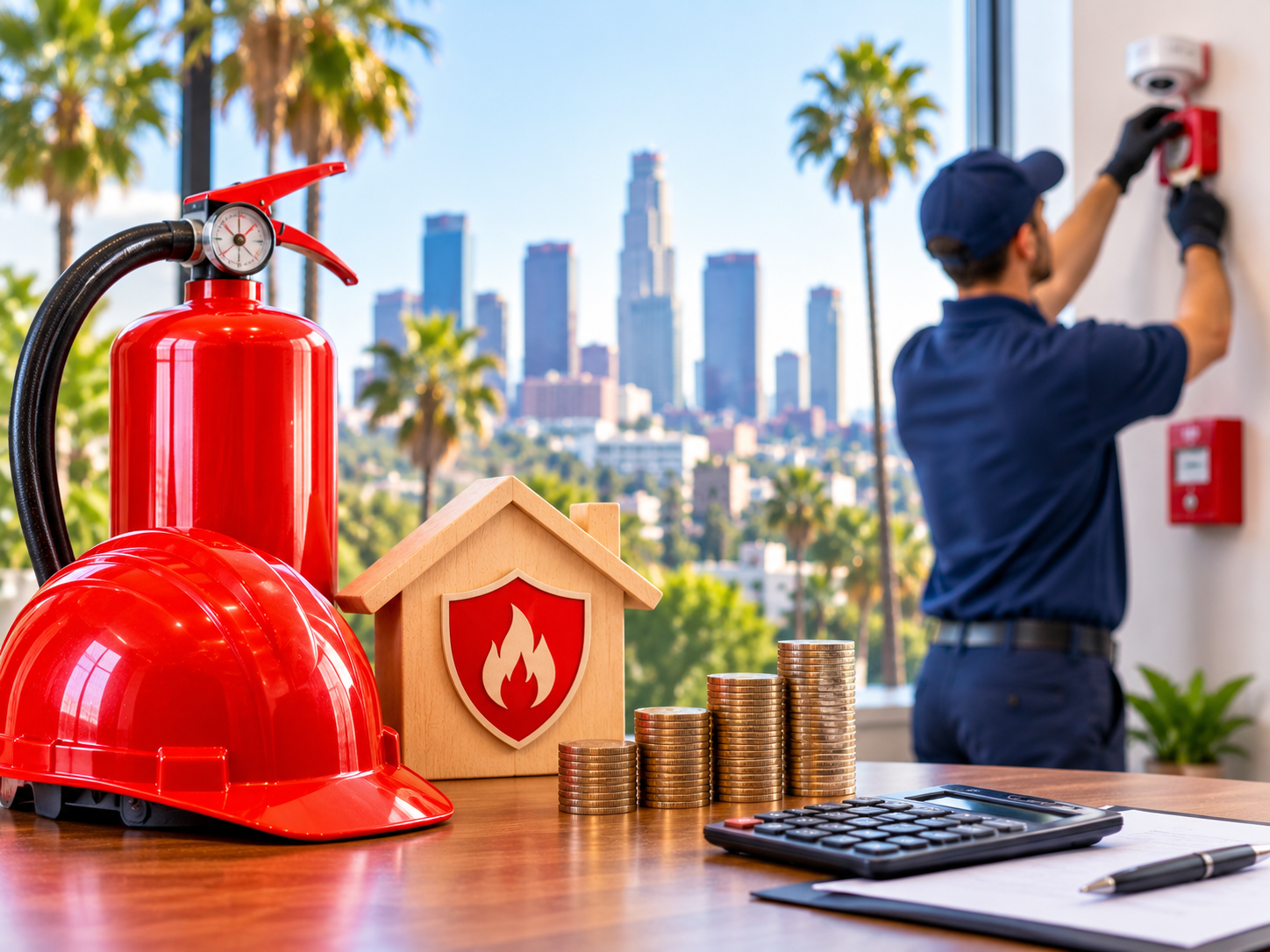
Fire protection services play a vital role in preventing fire hazards and ensuring the safety of residential, commercial, and industrial properties. From installing fire sprinkler systems and alarms to conducting routine inspections and maintenance, these services help protect lives and minimize property damage. However, understanding the costs involved is equally important when planning an effective fire safety strategy. So, how much do fire protection services cost in Los Angeles?
The overall pricing depends on factors such as property size, system requirements, installation complexity, and maintenance frequency. Different fire protection solutions come with varying costs based on the level of protection needed.
In this blog, we’ll discuss the major factors influencing fire protection service costs in Los Angeles, common expenses, and what property owners should consider when budgeting for reliable fire safety solutions.
Cost Breakdown of Different Fire Protection Services
Fire safety is not a single product with a single price tag. It is a combination of equipment, labor, permits, and recurring service. Here is what you can generally expect to pay for the most common services in the Los Angeles area.
Fire Sprinkler System Installation
Sprinklers are among the most effective ways to control a fire before it spreads. For new residential construction, installation typically runs around $1.50 to $4 per square foot. Retrofitting an existing home is more expensive, often $2 to $7 per square foot, because walls, ceilings, and plumbing may need to be modified. Commercial systems generally range from $3 to $10 or more per square foot, depending on the building’s hazard classification, water supply, and layout.
Fire Alarm and Detection Systems
A basic hardwired residential alarm system may cost $500 to $2,500. Small commercial buildings often spend $2,000 to $10,000, while large or multi-story facilities can exceed $50,000 once panels, pull stations, horns, strobes, and detectors are included. Individual devices such as smoke or heat detectors typically cost $100 to $400 each, installed.
Fire Alarm Monitoring
Monitoring ensures that a signal reaches a response center around the clock. Residential monitoring usually costs $25 to $75 per month, while commercial monitoring often ranges from $50 to $150 or more, depending on the number of zones and the type of communication line used.
Fire Extinguishers
A new extinguisher generally costs $50 to $200, depending on its type and size. Annual inspections are commonly priced at $10 to $25 per unit, with additional charges for recharging, six-year maintenance, and hydrostatic testing.
Kitchen Hood and Special Hazard Suppression
Restaurants and commercial kitchens need specialized suppression systems over cooking equipment. Installation typically costs $2,000 to $10,000 or more, with semiannual inspections at roughly $150 to $400. Clean-agent or gas-based systems for server rooms and data centers cost considerably more.
Emergency Lighting and Exit Signs
Emergency lighting and illuminated exit signs help occupants evacuate safely. Expect about $100 to $400 per fixture installed, plus periodic testing and battery replacement.
Are You a Fire Protection Company in California Looking for More Clients?
Want to connect with property owners and businesses searching for reliable fire safety solutions? List your fire protection business on Yellow Pages California to improve your online visibility, showcase your services, attract potential customers, and generate more business leads. Click here to register.
Key Factors That Affect Fire Protection Service Costs
Two properties of similar size can receive very different quotes. Understanding what drives pricing helps you compare bids fairly and avoid surprises. Below are the main variables that shape the final cost of fire safety services in Los Angeles.
Property Size and Layout
Larger buildings require more piping, devices, wiring, and labor. Layout matters as much as square footage. High ceilings, multiple floors, subdivided suites, and basements all increase the number of devices and the time needed to install them.
Type of System and Level of Protection
A simple smoke detection setup costs far less than a full wet-pipe sprinkler network combined with an addressable alarm panel and a fire pump. Specialized systems, such as pre-action, dry-pipe, or clean-agent suppression, are more complex and cost more to install and maintain.
Installation Complexity and Building Age
Retrofitting older Los Angeles buildings often means working around plaster, historic features, asbestos, or outdated electrical and plumbing. These conditions add labor, materials, and sometimes abatement costs. New construction is usually more cost-efficient because systems are designed into the building from the start.
Water Supply and Infrastructure
Sprinkler performance depends on adequate water pressure and flow. If your water supply is insufficient, you may need a fire pump, a storage tank, or an upgraded service line, any of which can add thousands of dollars to a project.
Permits, Plan Review, and Code Compliance
Los Angeles projects must meet the California Fire Code and local requirements enforced by the Los Angeles Fire Department (LAFD). Plan review fees, permit fees, and any required corrections add to the total. Working with an experienced provider helps avoid costly delays and rework.
Contractor Experience and Scope of Service
Pricing also reflects the provider’s licensing, certifications, insurance, and warranty. A very low bid may leave out design, permitting, testing, or after-installation support, so compare what is actually included rather than the total alone.
Are Fire Protection Services More Expensive for Commercial Properties?
In most cases, yes. Commercial buildings are larger, more complex, and subject to stricter codes than homes. Commercial fire protection services involve more detailed engineering, extensive documentation, and more frequent inspections, all of which raise both upfront and recurring costs.
Why Commercial Costs Run Higher
Commercial properties typically require larger sprinkler networks, addressable alarm panels, emergency lighting, standpipes, and sometimes fire pumps. Occupancy type matters too. A warehouse storing high-piled combustibles, a restaurant, a hospital, and a high-rise office all have different hazard levels and therefore different system requirements. Engineered designs and plan check fees add to the project budget.
Typical Commercial Price Ranges
Small retail or office spaces may spend $5,000 to $25,000 on a sprinkler and alarm upgrade, while larger commercial and industrial facilities can run well into six figures. Annual service contracts for commercial buildings often range from about $1,000 to $5,000 for smaller properties and much more for large, multi-system sites.
Residential vs. Commercial at a Glance
Single-family homes usually need fewer devices, simpler designs, and less frequent professional service. Multifamily buildings fall somewhere in between, with shared systems, common-area requirements, and regular inspections. If you own a mixed-use or multi-tenant building, expect your costs to land closer to the commercial end.
How Much Does Ongoing Fire Protection Maintenance Cost?
Installing a system is only the first step. Safety equipment must be tested, inspected, and serviced on a set schedule to work when it matters. Ongoing maintenance is a predictable, recurring expense, and skipping it can lead to failed inspections, fines, or insurance problems.
Routine Inspection and Testing Costs
Annual sprinkler inspections typically cost $150 to $500 for small properties and $500 to $2,000 or more for larger buildings. Fire alarm inspection and testing is often priced per device or per panel, with annual totals ranging from a few hundred dollars for small buildings to several thousand for large facilities. Backflow preventer testing usually adds $75 to $250.
Maintenance Contracts
Many property owners choose a bundled contract that covers sprinklers, alarms, extinguishers, and emergency lighting. These plans often make costs easier to budget and may reduce the per-service price. Compare what the contract includes, such as response times, emergency call-outs, and reporting, rather than looking only at the monthly figure.
Repairs and Component Replacement
Over time, parts wear out. Sprinkler heads, batteries, detectors, control panels, and valves all have service lives. Minor repairs may cost a few hundred dollars, while replacing a control panel or major piping can run into the thousands. Regular maintenance catches small problems before they become expensive ones.
Inspection Frequency to Plan For
As a general guide, extinguishers are inspected monthly in-house and professionally once a year, sprinkler systems are inspected on quarterly, annual, and five-year cycles, and alarm systems are tested annually. Your specific schedule depends on your building type and local code, so confirm it with your provider.
How to Reduce Fire Protection Service Costs Without Compromising Safety
Saving money should never mean cutting corners on life safety. The goal is to spend smarter. With some planning, you can lower costs while keeping your property compliant and protected.
Plan Fire Safety Early in a Project
Integrating systems into new construction or a planned renovation is much cheaper than retrofitting later. Involve a qualified provider during the design phase so the layout, water supply, and permitting are handled efficiently.
Bundle Services and Sign a Maintenance Agreement
Combining inspections for sprinklers, alarms, extinguishers, and lighting into one agreement can reduce travel charges and administrative costs. Multi-year contracts sometimes lock in better rates, as long as the scope is clearly defined.
Stay Ahead of Maintenance
Preventive care costs far less than emergency repairs, fines, or re-inspections. Fix small deficiencies promptly, keep records organized, and schedule inspections before deadlines to avoid rush fees.
Compare Multiple Written Quotes
Request at least three itemized estimates. Make sure each one covers design, permits, equipment, labor, testing, and warranty. The cheapest bid is not always the best value, particularly if it omits required work.
Ask About Insurance Savings and Incentives
Some insurers offer premium discounts for properties with sprinklers or monitored alarms. Check with your insurance agent, since a well-maintained system can offset part of its cost over time.
Avoid Unnecessary Upgrades, but Never Skip Required Ones
A good provider will recommend what your property needs to meet code and manage real risk, not an oversized system. Ask them to explain why each component is necessary.
Why Hiring a Professional Fire Protection Company Matters
Fire safety systems are life-saving equipment, and mistakes can be costly or even deadly. Choosing a qualified provider is one of the most important parts of your budget decision. A reliable fire protection company brings the expertise, licensing, and accountability that protect both your property and your investment.
Code Compliance and Licensing
Los Angeles has strict requirements, and systems must be designed, installed, and inspected by properly licensed professionals. Experienced fire protection contractors understand the California Fire Code, NFPA standards, and local LAFD procedures, which reduces the risk of failed inspections and expensive corrections.
Proper Design and Reliable Installation
A poorly designed system may not perform when needed. Professional fire protection services include proper hydraulic calculations, correct device placement, and thorough testing at completion. This helps ensure the system works as intended from day one.
Long-Term Support and Documentation
Reputable providers keep detailed inspection records, which are often required by fire officials and insurers. They also offer emergency response, ongoing maintenance, and guidance when codes or occupancy change. This continuous support is part of the real value you are paying for.
What to Look for When Choosing a Provider
Verify licensing and insurance, ask for local references, and confirm that the company offers both installation and service. Look for clear communication, transparent pricing, and a track record with properties similar to yours. A provider that explains the “why” behind each recommendation is usually one you can trust.
Conclusion: Invest in Reliable Fire Protection Services
The cost of fire safety in Los Angeles varies widely, from a few hundred dollars for basic inspections to six figures for complex commercial installations. Property size, system type, building condition, code requirements, and maintenance needs all shape your final budget. Understanding these factors helps you plan realistically and compare quotes with confidence.
Fire protection is not an expense to minimize at any cost. It is an investment in the safety of your occupants, your property, and your business continuity. By choosing the right fire safety solutions, staying consistent with maintenance, and working with a qualified professional, you can protect what matters most while keeping costs under control.
If you are planning a new installation, an upgrade, or a maintenance program, contact a licensed local provider for a detailed site assessment and a written quote tailored to your property.
FAQs About Fire Protection Service Costs in Los Angeles
How much does a commercial fire sprinkler system cost in California?
A commercial fire sprinkler system can cost approximately $3 to $10 or more per square foot. The final price depends on building size, occupancy type, water supply, ceiling height, and installation complexity. Additional expenses may include permits, engineering, fire pumps, and inspections.
How often are fire sprinkler systems inspected in Los Angeles?
Fire sprinkler systems generally require quarterly, annual, and five-year inspections or testing, depending on the system components and applicable NFPA standards. Property owners should follow California Fire Code requirements and applicable Los Angeles Fire Department (LAFD) regulations to maintain compliance and ensure system reliability.
Are fire protection services mandatory for commercial buildings in Los Angeles?
Yes, many commercial properties in Los Angeles are required to have specific fire protection systems based on their occupancy classification, building size, construction type, and applicable fire codes. Requirements may include fire sprinklers, fire alarms, portable extinguishers, emergency lighting, and other safety equipment.
How much does annual fire protection system maintenance cost in Los Angeles?
Annual fire protection maintenance can range from a few hundred dollars for small properties to several thousand dollars for larger commercial facilities. Sprinkler inspections typically cost $150–$500 for smaller properties, while alarm testing, extinguisher servicing, backflow testing, and necessary repairs can increase the total cost.
How do I choose a reliable fire protection company in Los Angeles, CA?
Choose a fire protection company with the appropriate California contractor licensing, insurance, relevant certifications, and experience handling properties similar to yours. Check customer reviews, request itemized written estimates, and verify that the provider offers installation, inspections, repairs, and ongoing maintenance while following applicable California Fire Code, NFPA, and LAFD requirements.
How can I get an accurate quote for fire protection services in Los Angeles?
To receive an accurate quote, schedule a property assessment with a qualified fire protection contractor. Share your building's square footage, occupancy type, existing fire safety equipment, and required services. Request an itemized estimate covering equipment, installation, permits, inspections, testing, and ongoing maintenance to understand the total project cost.
Suggestions