
Emma Brown
Featured
Do Hair Extensions Ruin Your Hair? Where to Get Professional Extensions
Salons & Barbers
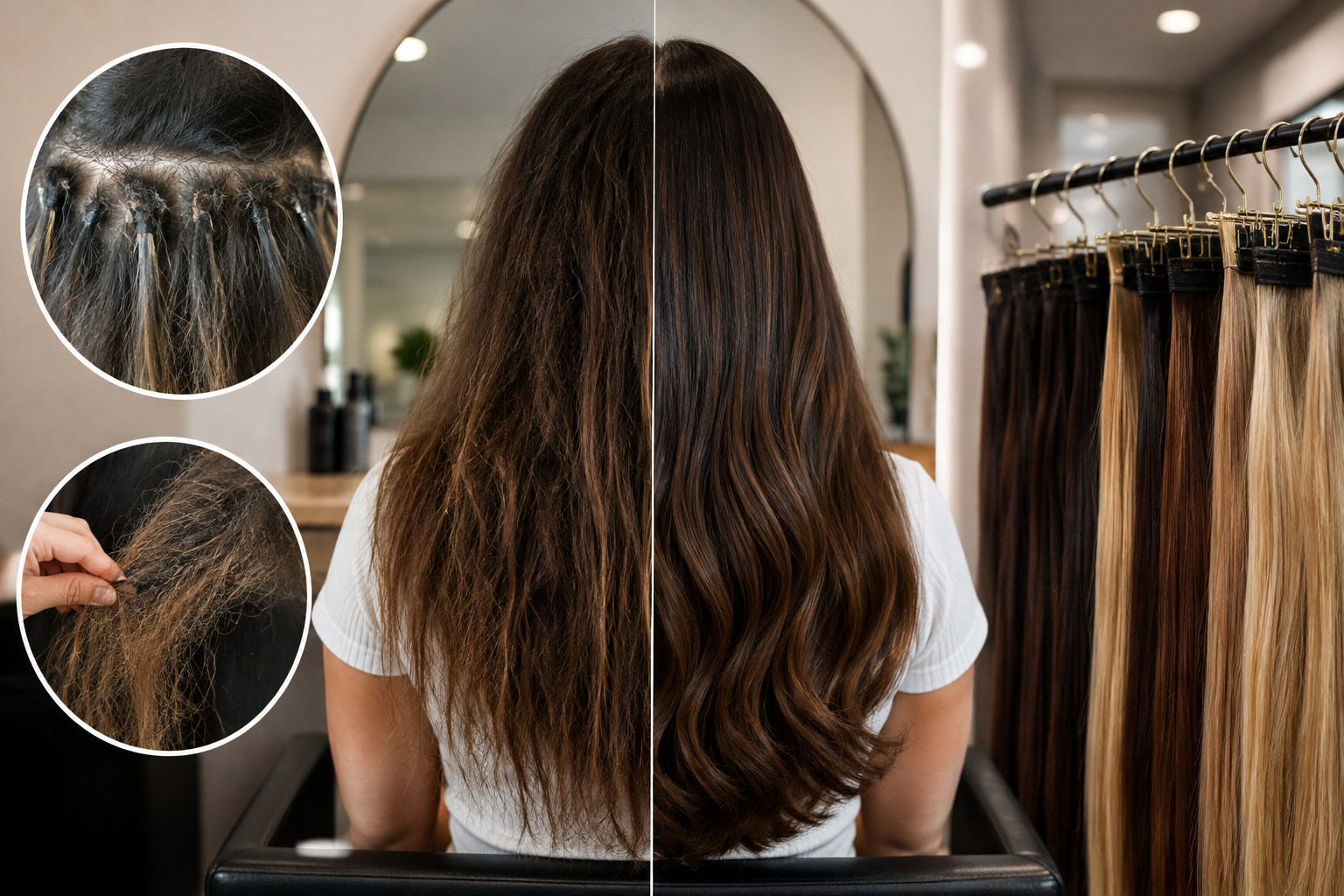
Hair extensions are a popular way to achieve longer, fuller, and more versatile hair in a short amount of time. However, one common concern is whether wearing extensions can damage your natural hair. While extensions themselves do not necessarily ruin your hair, improper application, excessive tension, poor-quality products, or inadequate maintenance can lead to breakage and weakening.
Choosing a skilled professional can make a significant difference. An experienced stylist can recommend an extension method suited to your hair type, apply the extensions correctly, and show you how to care for them between appointments.
In this guide, we'll look at the potential effects of hair extensions, how to minimize the risk of damage, and what to consider when selecting a professional extension salon. With the right technique and care, you can enjoy beautiful, natural-looking results while protecting your own hair.
Can Hair Extensions Ruin Your Hair?
The short answer is no, extensions do not inherently damage your hair when they're applied correctly and cared for properly. The real risk comes from how they're installed, maintained, and removed. Extensions that are too heavy for your natural hair density, placed too close to the scalp, or left in for too long can put stress on your strands and follicles over time.
This is exactly why the choice between a rushed, budget install and a visit to a trained hair extension specialist matters so much. A trained eye can assess your hair's health, texture, and growth pattern before recommending a method, rather than applying a one-size-fits-all approach that may not suit your hair type. Thousands of people wear extensions for months or even years without any noticeable damage, simply because the fundamentals, sizing, placement, weight, and follow-up care, were handled correctly from the start.
It also helps to understand that "damage" isn't a single outcome. It can range from mild dryness at the ends to more serious issues like traction alopecia near the hairline. Most of these problems build up gradually, which is why regular check-ins with your stylist matter just as much as the initial application appointment.
It Depends on Application, Not Just the Product
Even premium extension hair can cause problems if it's attached incorrectly. Tension, weight distribution, and bond placement all play a bigger role in hair health than the brand or quality of the hair itself. A stylist who understands how to section hair evenly, choose the right size of bond or weft, and blend extensions with your natural growth pattern will always produce a safer result than someone working quickly or without proper training, regardless of how expensive the hair itself is.
Your Natural Hair Type Matters
Fine, thin, or previously chemically treated hair is more vulnerable to stress from extensions than thick, healthy hair. A qualified stylist will factor this into the method and number of strands or wefts used, sometimes recommending fewer extensions, lighter weight hair, or a gentler attachment method to keep tension to a minimum. Hair that has been recently colored, bleached, or chemically straightened may also need a short recovery period before extensions are added, since compromised hair is more prone to breakage under any added weight.
How Long-Term Wear Affects Your Hair
Extensions are not meant to be a "set it and forget it" style. As your natural hair grows, the attachment point moves further from your scalp, which changes how weight is distributed. Without regular maintenance, this shift can cause tangling, matting, and additional strain that has nothing to do with the initial installation quality.
Are you a hair salon owner in California?
Get your salon in front of clients actively searching for professional hair extension services and trusted hairstylists near them. List your business on Yellow Pages California today. Click here to register.
Common Causes of Hair Damage From Extensions
Most damage linked to extensions traces back to a handful of avoidable mistakes rather than the extensions themselves. Understanding these causes helps you know what questions to ask before booking an appointment, and what to watch for once your extensions are in.
Excessive Tension at the Root
When extensions are attached too tightly, they pull on the hair follicle. Over weeks and months, this constant pulling can lead to traction alopecia, a form of hair loss caused by sustained tension rather than natural shedding. This is one of the most common, and most preventable, causes of extension-related damage, and it's almost always tied to how the extensions were installed rather than the extensions themselves.
Incorrect Sizing or Placement
Using bonds, beads, or wefts that are too large or heavy for the amount of natural hair they're attached to creates uneven weight distribution. This added strain accelerates breakage, particularly around the hairline and temples, where hair is naturally finer and more fragile. A skilled stylist will custom-size each section based on your hair's density, rather than using the same bond size throughout your whole head.
Poor-Quality Hair and Adhesives
Low-grade synthetic or non-Remy hair tends to tangle and matt more easily, which increases friction against your natural strands. Cheap adhesives and glues can also be harsher on hair and more difficult to remove safely, sometimes requiring extra pulling or scraping that damages the cuticle layer. Investing in higher-quality Remy human hair and salon-grade bonding products tends to pay off in both appearance and hair health over time.
Skipping Maintenance Appointments
Extensions need to be checked, moved up, or reapplied as your natural hair grows. Skipping these appointments allows bonds to slide down and tangle closer to new growth, making removal more damaging. Most professionals recommend a maintenance visit every six to eight weeks, depending on how quickly your hair grows and which method you're using.
Over-Styling and Heat Damage
Frequent heat styling, especially near the bonds or attachment points, can weaken both your natural hair and the extensions themselves. Using heat protectant, lowering your styling tool's temperature, and avoiding direct heat on bonds or tape strips can go a long way toward preserving hair quality.
Improper Removal
Yanking out tape-ins, bonds, or fusion extensions without the proper solvent or technique can strip layers of the hair cuticle. Removal should always be done as carefully as the initial application, ideally by the same stylist or salon that installed them, since they'll already be familiar with your hair's condition and the products used.
Which Hair Extension Methods Are Safest?
Not all extension methods put the same level of stress on natural hair. The safest option usually depends on your hair type, lifestyle, and how often you're willing to visit a salon for maintenance. There isn't one universally "best" method, the right choice is the one that matches your hair's condition and your ability to keep up with maintenance appointments.
Tape-In Extensions
Tape-ins are lightweight, quick to apply, and distribute weight evenly across small sections of hair, making them one of the gentler options for fine or fragile hair when installed by a trained stylist. They typically need to be moved up every six to eight weeks and are relatively easy to remove with the right adhesive remover.
Weft and Sew-In Extensions
Sew-in wefts avoid heat and adhesive altogether, instead braiding natural hair into a foundation. They tend to work best on thicker, coarser hair that can handle the braid tension without added stress, and they're a popular option for those who want to avoid chemical or heat-based attachment methods entirely.
Micro-Link or Bead Extensions
These use small silicone-lined beads instead of glue or heat, which can be gentler on hair when sized correctly, though they still require regular repositioning as hair grows. Because no heat or adhesive is used, this method is often recommended for clients who've had negative experiences with bonded extensions in the past.
Fusion and Keratin Bond Extensions
Fusion extensions offer a longer-lasting, natural-looking result but involve heat and bonding agents. This method requires a highly skilled hair extension stylist to avoid overheating or overloading the strands, since the keratin bonds are melted and shaped directly onto small sections of natural hair.
Clip-In Extensions for Occasional Wear
For anyone hesitant about semi-permanent methods, clip-ins offer a damage-conscious alternative. Since they're applied and removed the same day, there's no ongoing tension on the hair, making them a low-risk option for special occasions or those still deciding whether extensions are right for them long-term.
Where to Get Professional Hair Extensions
Finding the right hair extensions salon is one of the most important decisions you'll make in your extension journey. A luxury hair extensions salon with certified stylists will prioritize your natural hair's health alongside the finished look, using quality hair and a method matched to your goals. Below are five well-regarded salons worth researching if you're searching for hair extensions near me in your area.
1. Isis Hair Salon
@Isis Hair Salon LLC is known for personalized consultations and a range of extension methods tailored to different hair textures and lifestyles, making it a solid option for anyone new to extensions. Their stylists typically walk clients through hair analysis, method selection, and expected maintenance schedules before booking a full install.
2. Harper Ellis Salon
Harper Ellis Salon focuses on natural-looking, seamless extension application with an emphasis on matching color and texture closely to your existing hair. This attention to color-matching and blending is especially valuable for clients who want extensions that are undetectable in everyday styles.
3. Wiggins Hair
Wiggins Hair specializes in high-end extension services with a focus on hair health, offering consultations to determine the best method for each client's density and goals. Their approach centers on choosing a technique that won't overload finer or previously damaged hair.
4. Hair Extensions Los Angeles
Hair Extensions Los Angeles provides a variety of extension techniques and is recognized for stylists who work closely with clients on long-term maintenance plans, which helps reduce the risk of damage from delayed move-ups or skipped appointments.
5. GooGoo Hair
GooGoo Hair offers extension education and application services, with attention to matching hair quality and installation method to the client's natural hair condition. Their emphasis on client education can be especially helpful for first-time extension wearers who aren't yet sure which method suits them best.
What to Ask Before Booking
Before committing to any salon, it's worth scheduling a consultation to ask a few key questions: What method do they recommend for your specific hair type? What brand or grade of hair do they use? How often will you need maintenance visits, and what does removal involve? A stylist who answers these clearly and takes time to assess your hair in person is generally a good sign of a trustworthy hair extension salon, and often a strong indicator that you've found the best hair extensions salon for your specific needs rather than just the most convenient one.
Red Flags to Watch For
Be cautious of any salon that skips a consultation altogether, pressures you into a method without explaining alternatives, or can't clearly describe their aftercare and removal process. These are often signs of inexperience or a rushed, volume-focused approach that prioritizes speed over your hair's long-term health.
Final Thoughts: Enjoying Extensions While Protecting Your Natural Hair
Hair extensions don't have to come at the cost of your natural hair's health. The difference between a great experience and a damaging one usually comes down to choosing the right method, working with a qualified professional, and staying consistent with maintenance and aftercare. When you invest in professional hair extensions from an experienced stylist, you're far more likely to enjoy long, full, natural-looking results without compromising what's growing underneath.
At home, small habits reinforce what your stylist does in the chair: brushing gently from the ends up with an extension-safe brush, sleeping with hair loosely braided or in a low ponytail, and avoiding tight styles that add extra tension to the roots. Combined with regular maintenance visits, these habits make a noticeable difference over months of wear.
If you're considering extensions, take the time to research a salon with strong reviews, transparent consultations, and hair extension services that prioritize your hair's long-term health, not just the finished look. With the right partner and a bit of consistency at home, extensions can be a long-term part of your beauty routine rather than a short-lived experiment.
FAQs About Hair Extensions and Hair Damage
Do hair extensions cause permanent hair loss?
In most cases, hair loss from extensions is temporary and related to traction. However, prolonged or repeated excessive tension can lead to permanent damage to the hair follicle in severe cases.
What is the least damaging type of hair extensions?
Tape-ins and properly sized micro-links are generally considered gentler options, especially for fine or fragile hair, since they distribute weight more evenly than heavier bonded methods.
Can you put extensions in thin or fine hair?
Yes, but it requires a lighter method, smaller sections, and fewer extensions per install. A skilled stylist will adjust the technique specifically for thinner hair densities.
How much do extensions typically cost?
Costs vary widely depending on the method, hair quality, and salon, but a full install typically ranges from a few hundred to over a thousand dollars, with maintenance appointments as an ongoing cost.
How do you know if your hair extensions are too tight?
Persistent soreness, headaches, or tightness that lasts more than a couple of days after application is a sign the extensions may need to be adjusted or reinstalled by a professional.
Can you wash your hair normally with extensions in?
Yes, though most stylists recommend sulfate-free shampoo, brushing carefully from the ends up, and avoiding piling wet hair on top of your head to reduce tangling at the roots.
Suggestions
Olivia Claymore
Daniel Johnson